
Bloomingdale Lawn Edging Services
Choose our expert lawn edging to give your yard a clean, polished look that stands out—our precision work keeps grass and flower beds beautifully separated, enhancing curb appeal and making maintenance a breeze.
Get a Free QuoteOur Bloomingdale Landscaping & Yard Care Services
When to Schedule Lawn Edging in Bloomingdale, Florida – Seasonal Guide
In Bloomingdale, Florida, the best times to schedule lawn edging are typically during the early spring and late fall. These periods align with the region’s mild temperatures and moderate rainfall, which help promote healthy turf growth and make soil easier to work with. The local climate, characterized by humid summers and occasional drought conditions, means that edging during the peak of summer can stress your lawn, especially in neighborhoods like River Hills or near Bloomingdale Golfers Club where shade coverage and soil moisture can vary significantly.
Environmental factors such as the last frost date—usually in late February—and the onset of the rainy season in June play a crucial role in determining the optimal window for lawn maintenance. Areas with dense oak canopies, like those near Alafia River State Park, may require more frequent edging due to increased leaf litter and shade. For more information on local regulations and seasonal guidelines, you can consult the official municipal website.
Local Factors to Consider for Lawn Edging in Bloomingdale
- Tree density and shade coverage, especially in established neighborhoods
- Soil type and drainage, which can affect edging depth and frequency
- Seasonal precipitation patterns and drought risk
- Proximity to landmarks like Bloomingdale East Park, which may influence microclimates
- Municipal restrictions or guidelines on landscaping practices
Benefits of Lawn Edging in Bloomingdale
Enhanced Curb Appeal
Weed Growth Prevention
Defined Landscape Borders
Low Maintenance Solutions
Increased Property Value
Professional Installation Expertise
Bloomingdale Lawn Edging Types

Brick Lawn Edging
Brick edging offers a classic look and durable boundary for your landscape.
-
Metal Lawn Edging
Metal edging provides a sleek, modern border that is long-lasting and easy to install.
-
Plastic Lawn Edging
Plastic edging is a cost-effective and flexible solution for defining garden beds.
-
Stone Lawn Edging
Stone edging creates a natural, elegant transition between lawn and garden areas.
-
Concrete Lawn Edging
Concrete edging delivers a sturdy, permanent border for any landscaping project.
-
Wood Lawn Edging
Wood edging brings a rustic charm and blends seamlessly with outdoor environments.
-
Rubber Lawn Edging
Rubber edging is eco-friendly, flexible, and safe for family-friendly landscapes.
Our Lawn Edging Process
Site Evaluation
Marking Edges
Cutting the Edge
Debris Removal
Final Inspection
Why Choose Bloomingdale Landscape Services
-
Bloomingdale Homeowners Trust Us
-
Expert Lawn Maintenance
-
Reliable Seasonal Care
-
Competitive Pricing
-
Professional Team
-
Satisfaction Guarantee
-
Personalized Service
Coordinating Lawn Edging with Bloomingdale’s Public Works and Drainage Programs
Lawn edging in Bloomingdale, FL, must be coordinated with municipal maintenance schedules and right-of-way management, especially where turf borders public sidewalks, swales, or drainage inlets. Residents and property managers are responsible for ensuring that edging debris, clippings, and soil do not enter storm drains or obstruct swale flow. The Hillsborough County Public Works Department oversees the maintenance of public infrastructure, including stormwater facilities and curbside areas. When edging along public rights-of-way, it is essential to keep all vegetative debris off pavement and out of drainage structures to prevent blockages and protect water quality. For properties adjacent to canals or retention ponds, additional care should be taken to prevent runoff of soil or mulch during edging operations. Residents can review the county’s yard waste and debris collection guidelines to ensure compliance with local procedures.
- Always sweep or blow clippings back onto the lawn, not into the street or gutter
- Schedule edging to avoid municipal collection days to prevent debris accumulation
- Confirm any right-of-way restrictions with the county before altering turf edges near public infrastructure
Hillsborough County Public Works Department
601 E. Kennedy Blvd., Tampa, FL 33602
Official Website: Hillsborough County Public Works Department(https://hcfl.gov/departments/public-works)
How Bloomingdale’s Central Florida Conditions Shape Lawn Edging Needs
Bloomingdale is situated in the Central Florida / Inland Peninsula region, characterized by a humid subtropical climate, high summer temperatures, and a pronounced wet season from June through September. The area’s soils are predominantly sandy or fill-based, which can lead to rapid drainage but also increased risk of nutrient leaching and edge erosion. Frequent afternoon thunderstorms during the wet season can wash loose soil and clippings from freshly edged lawns into nearby swales, ponds, or storm drains. Additionally, the high water table in some neighborhoods increases the importance of maintaining defined turf edges to prevent encroachment into drainage features. Common turf species such as St. Augustinegrass and bahiagrass require careful edging to avoid scalping and to maintain healthy root zones, especially where irrigation is frequent and growth is vigorous. Residents should be aware that:
- Sandy soils may require more frequent re-edging due to edge collapse or washout
- Wet-season rainfall can quickly transport debris into stormwater systems
- High humidity and heat can accelerate turf growth, increasing edging frequency
Regulatory Requirements and Environmental Compliance for Lawn Edging in Bloomingdale
Lawn edging activities in Bloomingdale are subject to local code enforcement and environmental protection standards. While routine edging does not typically require a permit, any work that alters the grade, affects drainage, or encroaches on public rights-of-way may be subject to review by Hillsborough County Development Services. The county enforces property maintenance codes to ensure that turf and landscape edges do not obstruct sidewalks, storm drains, or visibility at intersections. Additionally, the Florida DEP NPDES Stormwater Program requires that all landscape maintenance activities, including edging, prevent the discharge of pollutants—such as soil, clippings, or fertilizer—into municipal stormwater systems. Residents and contractors should also be aware of the Clean Water Act provisions regarding nonpoint source pollution from urban landscapes. For properties within HOA-managed communities, additional restrictions or review processes may apply, and these should be verified with the association.
Hillsborough County Code Enforcement
601 E. Kennedy Blvd., Tampa, FL 33602
Official Website: Hillsborough County Code Enforcement(https://hcfl.gov/departments/code)
Hillsborough County Development Services
601 E. Kennedy Blvd., Tampa, FL 33602
Official Website: Hillsborough County Development Services(https://hcfl.gov/departments/development)
Professional Lawn Edging Methods and Seasonal Timing in Bloomingdale’s Climate
Effective lawn edging in Bloomingdale requires adapting methods and timing to the region’s climate and turf types. Professional standards recommend edging during periods of active turf growth, typically from late spring through early fall, to minimize stress and promote rapid recovery. Edging tools should be set to avoid cutting below the crown of St. Augustinegrass or bahiagrass, as excessive removal can damage roots and increase susceptibility to weed invasion. During the wet season, it is advisable to edge after rainfall events to reduce dust and minimize airborne debris, but care must be taken to prevent soil washout. Irrigation should be scheduled to allow turf to recover after edging, but avoid watering immediately before edging to prevent clumping and equipment clogging. According to UF/IFAS Gardening Solutions - Lawn Maintenance and Care, maintaining a clean, defined edge helps reduce weed encroachment and supports healthy turf density.
- Edge at regular intervals, typically every 2-4 weeks during peak growth
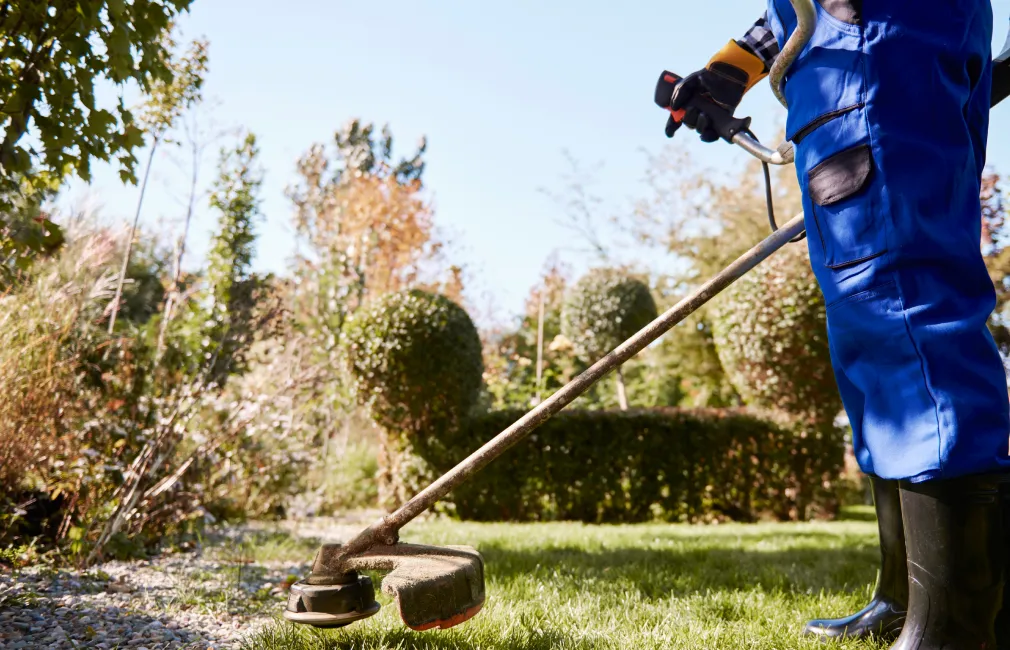
- Use a vertical blade or string trimmer for a crisp, uniform edge
- Remove all debris from hard surfaces and drainage features immediately after edging
What Neighborhoods Do We Serve Throughout Bloomingdale, FL?
- Bloomingdale East This area features larger lots and mature landscaping, with many properties adjacent to drainage swales and retention ponds.
- Bloomingdale West Known for its established tree canopy and older fill-based lots, this neighborhood often requires careful edging along sidewalks and driveways.
- River Crossing Estates Homes here are situated near natural preserves and wetlands, making runoff control and edge maintenance especially important.
- Bloomingdale Ridge This subdivision includes newer construction with irrigation-intensive landscapes and defined turf borders along public rights-of-way.
- Cambridge Cove Properties in this area often back up to ponds or greenways, requiring attention to edge stability and debris management.
- Somerset With a mix of sun and shade exposure, Somerset lots benefit from tailored edging schedules to accommodate variable turf growth.
- Bloomingdale Oaks This neighborhood’s proximity to stormwater basins and community parks increases the importance of keeping edges clear of debris and runoff.