
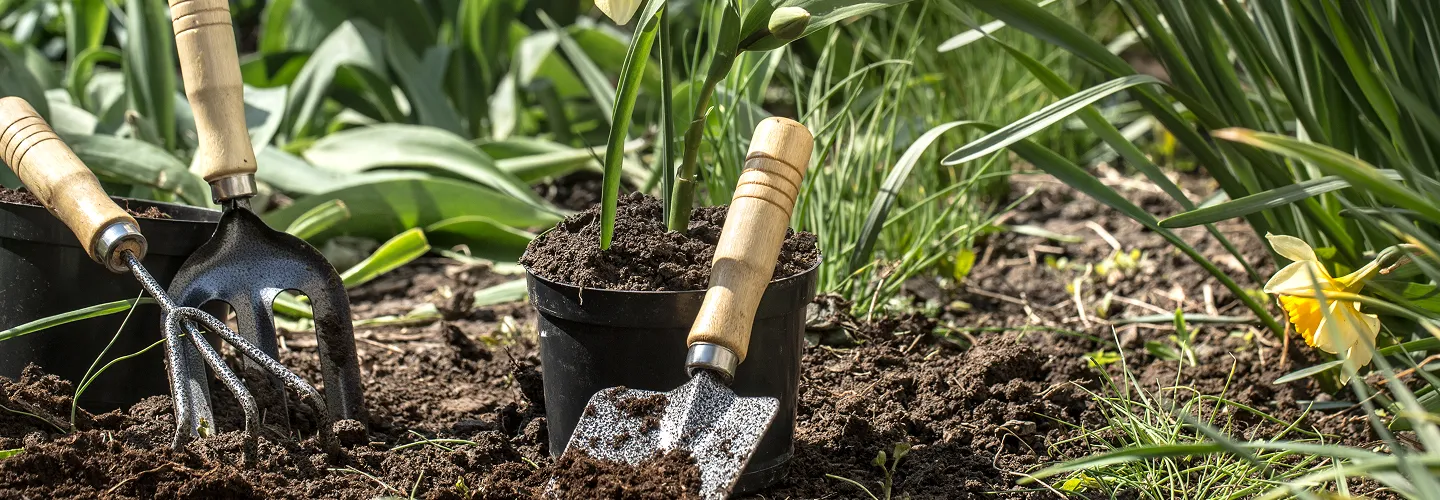
Bloomingdale Hedging Services
Choose our professional hedging services for expertly shaped, healthy, and vibrant hedges that enhance your property's curb appeal, provide privacy, and require minimal maintenance year-round.
Get a Free QuoteOur Bloomingdale Landscaping & Yard Care Services
When to Schedule Hedging in Bloomingdale, Florida – Seasonal Guide
In Bloomingdale, Florida, the best times to schedule hedging are typically late winter through early spring and again in late summer. These periods align with the region’s subtropical climate, allowing plants to recover quickly before the intense summer heat or the occasional winter chill. Neighborhoods near Bloomingdale Golfers Club and along Bell Shoals Road often experience microclimates influenced by shade coverage and proximity to water features, which can affect the ideal timing for hedging services.
Local environmental factors such as the last frost date (usually in early February), periods of high humidity, and the risk of summer droughts all play a role in determining when to trim hedges for optimal health and appearance. Soil types in areas like River Hills and Twin Lakes can range from sandy to loamy, impacting drainage and plant growth. For more information on local regulations and best practices, visit the official municipal resource.
Local Factors to Consider for Hedging in Bloomingdale
- Tree density and shade coverage in your yard
- Terrain and soil type (sandy vs. loamy)
- Seasonal precipitation and drought risk
- Proximity to landmarks like Bloomingdale Golfers Club
- Municipal restrictions or neighborhood association guidelines
Benefits of Hedging in Bloomingdale
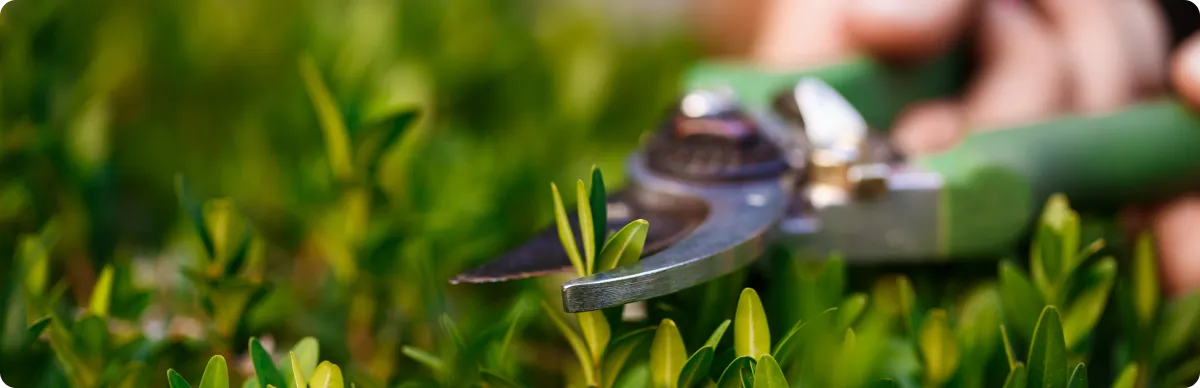
Enhanced Property Privacy
Improved Curb Appeal
Natural Noise Reduction
Increased Property Value
Low Maintenance Solutions
Expert Local Landscaping Team
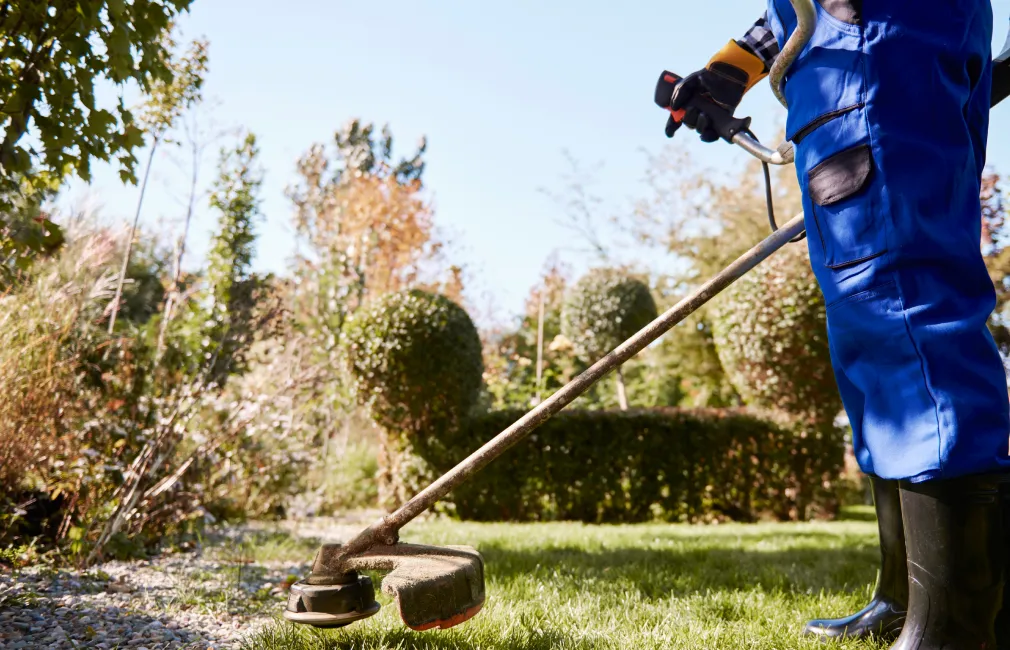
Bloomingdale Hedging Types

Boxwood Hedges
-
Privet Hedges
-
Yew Hedges
-
Laurel Hedges
-
Holly Hedges
-
Arborvitae Hedges
-
Photinia Hedges
Our Hedging Process
Consultation and Planning
Site Preparation
Precision Trimming
Cleanup and Inspection
Why Choose Bloomingdale Landscape Services
-
Bloomingdale Homeowners Trust Us
-
Expert Lawn Maintenance
-
Reliable Seasonal Care
-
Competitive Pricing
-
Professional Team
-
Satisfaction Guarantee
-
Personalized Service
Coordinating Hedging Activities with Bloomingdale’s Public Works and Parks Departments
Hedging in Bloomingdale, FL, often intersects with municipal operations, especially where hedges border public rights-of-way, sidewalks, or drainage swales. Residents and property managers are responsible for ensuring that hedges do not obstruct pedestrian or vehicular visibility, nor encroach upon public infrastructure. The Hillsborough County Parks and Recreation Department provides oversight for public-facing landscape standards, while the Public Works Department addresses issues related to drainage and stormwater flow. For hedges adjacent to public spaces, it is essential to maintain clear sightlines and avoid blocking access to storm drains or swales. When planning significant hedge work near these areas, coordination with the appropriate department is recommended to prevent conflicts with scheduled maintenance or infrastructure projects. Routine maintenance, such as trimming to maintain height and width, generally does not require a permit, but any work impacting public property or drainage features should be discussed with the relevant municipal office.
Hillsborough County Parks and Recreation
601 E. Kennedy Blvd., Tampa, FL 33602
Phone: 813-635-3500
Official Website: Hillsborough County Parks and Recreation
How Bloomingdale’s Central Florida Conditions Shape Hedging Practices
Bloomingdale is situated in the Central Florida / Inland Peninsula region, which presents several unique environmental factors for hedging. The area experiences high summer heat and humidity, with a pronounced wet season from late spring through early fall. These conditions accelerate hedge growth but also increase fungal pressure and the risk of nutrient leaching from sandy or fill-based subdivision soils. Many residential lots in Bloomingdale are built on mixed urban soils, often with a sandy profile that drains quickly but may not retain nutrients well. Additionally, the proximity of many neighborhoods to swales, retention ponds, and stormwater basins means that runoff from over-irrigation or fertilization can quickly reach local waterways. Key local conditions affecting hedging include:
- Rapid vegetative growth during the wet season, requiring more frequent trimming
- High water table in some areas, influencing root health and irrigation needs
- Sensitivity to runoff, especially near storm drains, canals, or retention features
For more on local soils, consult the USDA Web Soil Survey, and for climate adaptation, refer to the USDA Plant Hardiness Zone Map.
Regulatory Requirements and Environmental Compliance for Hedging in Bloomingdale
Hedging activities in Bloomingdale are subject to both county code and state-level environmental regulations. While routine hedge trimming on private property typically does not require a permit, any work that alters drainage patterns, impacts public rights-of-way, or involves protected species may trigger review by Hillsborough County Development Services. Code enforcement may address issues such as overgrown hedges obstructing sidewalks or creating visibility hazards at intersections. Additionally, the Florida Department of Environmental Protection’s NPDES Stormwater Program requires that clippings and debris are kept out of storm drains and water bodies to protect water quality. The use of pesticides or herbicides for hedge maintenance must comply with FDACS Pesticide Applicator Licensing requirements. Residents should verify current thresholds and review triggers with the permitting office before undertaking major hedge modifications.
Hillsborough County Development Services
601 E. Kennedy Blvd., Tampa, FL 33602
Phone: 813-272-5600
Official Website: Hillsborough County Development Services
Professional Hedging Methods, Seasonal Timing, and Standards in Bloomingdale
Effective hedging in Bloomingdale requires attention to both timing and technique, given the region’s climate and growth patterns. Most hedge species benefit from shaping just before or after the main wet season, when growth is most vigorous. Professional standards recommend:
- Trimming hedges to maintain clearances from sidewalks, driveways, and sightlines at intersections
- Avoiding heavy pruning during peak heat or drought stress to minimize plant shock
- Using sanitized, sharp tools to reduce disease transmission, especially in humid conditions
- Scheduling major shaping in late winter or early spring, with lighter maintenance trims as needed during the wet season
- Ensuring irrigation systems do not overspray hedges, which can promote fungal issues and runoff
For additional guidance on protecting water resources during landscape maintenance, see UF/IFAS Gardening Solutions - Protecting Florida’s Water Resources.
Hillsborough County Public Works Department
601 E. Kennedy Blvd., Tampa, FL 33602
Phone: 813-635-5400
Official Website: Hillsborough County Public Works Department
What Neighborhoods Do We Serve Throughout Bloomingdale, FL?
- Bloomingdale East This area features larger lots and mature landscaping, with many properties adjacent to drainage swales and retention ponds.
- Bloomingdale West Known for its established tree canopy and HOA-managed common areas, hedging here often involves coordination with neighborhood standards.
- River Crossing Estates Properties in this subdivision are close to the Alafia River, requiring careful management of runoff and vegetative buffers.
- Bloomingdale Ridge Newer homes on fill-based lots may experience rapid hedge growth and require attention to irrigation and drainage.
- Somerset This neighborhood includes a mix of sun-exposed and shaded lots, influencing hedge species selection and trimming frequency.
- Bloomingdale Oaks Characterized by mature oaks and shaded yards, hedging here often focuses on maintaining visibility and airflow.
- Cambridge Cove With proximity to greenways and stormwater basins, properties in this area must be mindful of debris management and water quality impacts.