
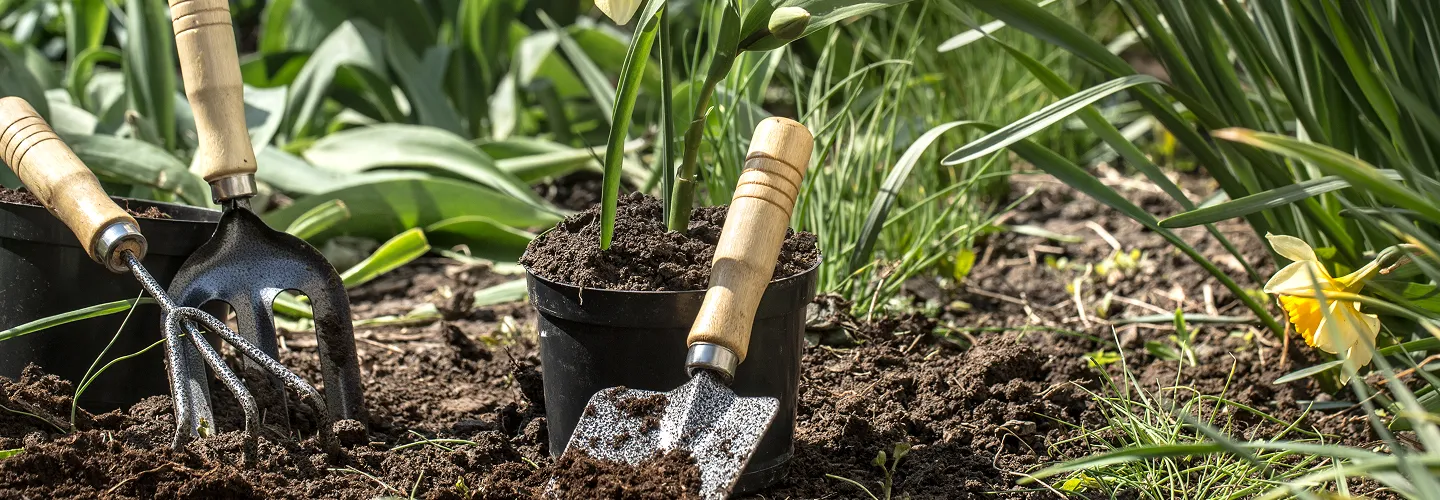
Bloomingdale Flower Bed Maintenance Services
Choose our expert Flower Bed Maintenance for lush, healthy blooms and a weed-free garden—enjoy professional care that saves you time and keeps your landscape looking its best year-round.
Get a Free QuoteOur Bloomingdale Landscaping & Yard Care Services
When to Schedule Flower Bed Maintenance in Bloomingdale, Florida – Seasonal Guide
In Bloomingdale, Florida, the timing of flower bed maintenance is crucial for keeping your landscape vibrant and healthy year-round. Thanks to our subtropical climate, with mild winters and hot, humid summers, most flower beds benefit from major maintenance in early spring and late fall. Early spring—just after the last frost date, which typically falls in late February—marks the ideal time for mulching, pruning, and planting new annuals. Late fall, after the intense summer heat has subsided, is perfect for soil amendment and preparing beds for winter dormancy.
Local factors such as the sandy soils common in neighborhoods like River Hills and the shade provided by mature oaks in areas near Bloomingdale East Park can influence your maintenance schedule. High humidity and frequent summer rains can encourage weed growth and fungal issues, while periods of drought—especially in late spring—require attentive watering and mulching. For more information on local environmental guidelines, visit the official municipal resource.
Local Factors to Consider for Flower Bed Maintenance in Bloomingdale
- Tree density and shade coverage, especially in established neighborhoods
- Soil type (sandy or loamy soils affect drainage and nutrient retention)
- Seasonal precipitation patterns and risk of drought
- Proximity to water features or retention ponds
- Municipal restrictions on watering or fertilizer use
- Terrain and slope, which can impact erosion and runoff
- Local pest and disease pressures unique to the Bloomingdale area
Benefits of Flower Bed Maintenance in Bloomingdale
Enhanced Curb Appeal
Weed and Pest Prevention
Healthier Plant Growth
Seasonal Color Variety
Professional Landscape Expertise
Increased Property Value
Bloomingdale Flower Bed Maintenance Types

Seasonal Flower Planting
-
Weed Control Services
-
Mulching and Soil Conditioning
-
Pruning and Deadheading
-
Fertilization Programs
-
Pest and Disease Management
-
Irrigation System Maintenance
Our Flower Bed Maintenance Process
Site Evaluation
Weed Removal
Soil Preparation
Plant Care
Mulching
Why Choose Bloomingdale Landscape Services
-
Bloomingdale Homeowners Trust Us
-
Expert Lawn Maintenance
-
Reliable Seasonal Care
-
Competitive Pricing
-
Professional Team
-
Satisfaction Guarantee
-
Personalized Service
Coordinating Flower Bed Maintenance with Bloomingdale’s Parks and Public Works
Flower bed maintenance in Bloomingdale, FL often intersects with municipal operations, especially in public-facing areas, medians, and neighborhood entrances. The Hillsborough County Parks and Recreation Department oversees standards for public landscapes, while the Public Works Department manages right-of-way and drainage protection. Residents and property managers should be aware that:
- Any maintenance or planting in public medians or near drainage inlets may require coordination with the county.
- Debris from flower bed cleanups must not be left in the street or near storm drains, as this can obstruct drainage and contribute to water quality issues.
- For projects adjacent to parks or public spaces, verify if prior review or notification is needed.
Hillsborough County Parks and Recreation
601 E. Kennedy Blvd., Tampa, FL 33602
Official Website: Hillsborough County Parks and Recreation
Hillsborough County Public Works Department
601 E. Kennedy Blvd., Tampa, FL 33602
Official Website: Hillsborough County Public Works Department
How Bloomingdale’s Central Florida Conditions Shape Flower Bed Maintenance
Bloomingdale is situated in the Central Florida / Inland Peninsula region, which brings unique environmental factors to flower bed care. The area experiences:
- Prolonged summer heat and high humidity, which can stress annuals and perennials and increase fungal disease risk.
- Predominantly sandy or fill-based soils, as identified by the USDA Web Soil Survey, leading to rapid drainage and potential nutrient leaching.
- A pronounced wet season from late spring through early fall, resulting in heavy rainfall, runoff, and the need for mulch to prevent soil erosion.
These conditions require careful selection of heat- and humidity-tolerant plant species, regular mulch replenishment, and attention to irrigation efficiency. Irrigation systems should be checked for emitter coverage and leaks, especially during dry spells, and beds should be monitored for signs of water stress or overwatering.
Regulatory Requirements and Environmental Compliance for Flower Beds in Bloomingdale
Maintaining flower beds in Bloomingdale involves compliance with both local and state regulations. Key considerations include:
- Yard waste and plant debris must be disposed of according to county procedures to prevent clogging of stormwater systems and protect local water quality, as outlined by the Florida DEP NPDES Stormwater Program.
- The use of fertilizers and pesticides in beds is subject to state and local ordinances, including the Florida-Friendly Fertilizer Use Model Ordinance, which restricts application near water bodies and during certain weather conditions.
- Any work that alters drainage patterns or impacts public rights-of-way may require review by the county’s permitting office. Always verify current requirements with the appropriate department before beginning significant landscape modifications.
Hillsborough County Code Enforcement
601 E. Kennedy Blvd., Tampa, FL 33602
Official Website: Hillsborough County Code Enforcement
Professional Methods and Seasonal Timing for Flower Bed Maintenance in Bloomingdale
Effective flower bed maintenance in Bloomingdale relies on adapting methods to the region’s climate and soil profile. Professional standards include:
- Applying mulch at a depth of 2-3 inches to conserve moisture, suppress weeds, and reduce soil temperature fluctuations.
- Scheduling deadheading, pruning, and seasonal replanting during cooler morning hours to minimize plant stress and worker exposure to heat.
- Inspecting and adjusting irrigation emitters regularly to ensure even coverage and prevent runoff, as recommended by EPA WaterSense Outdoors.
- Removing weeds before they set seed, especially after heavy rains, to limit future infestations.
Timing is critical: major cleanups and replanting are best performed in late winter or early spring, before the onset of the wet season, and again in early fall for cool-season annuals. Avoid heavy fertilization or pesticide application before forecasted rain to prevent runoff into local swales and storm drains.
What Neighborhoods Do We Serve Throughout Bloomingdale, FL?
- Bloomingdale East This area features mature landscaping, established shade trees, and a mix of older and newer lots with varying irrigation needs.
- Bloomingdale West Known for its larger lots and proximity to drainage swales, requiring careful debris management and runoff control during maintenance.
- River Crossing Estates Properties here often border ponds or retention basins, making stormwater-friendly flower bed practices essential.
- Bloomingdale Ridge Newer subdivisions with fill-based soils and compacted lots, where soil amendment and mulch preservation are especially important.
- Somerset Characterized by HOA-managed common areas and shared green spaces, with coordinated maintenance schedules and appearance standards.
- Bloomingdale Oaks Features mature canopy cover and older irrigation systems, requiring attention to shade-tolerant plant selection and efficient watering.
- Cambridge Cove A smaller enclave with limited frontage and close proximity to public right-of-way, necessitating adherence to county debris and planting guidelines.